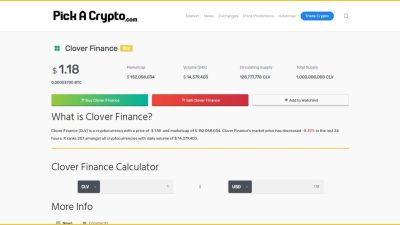
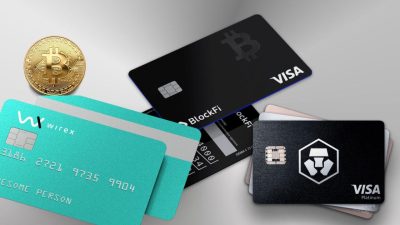
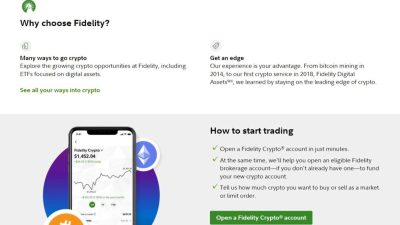
How to buy cryptocurrency safely is a paramount concern for many investors looking to enter the dynamic world of digital currencies. With the growing popularity of cryptocurrencies, understanding the best practices for safe purchasing is crucial. This guide will provide insights into the essential steps and precautions necessary to ensure a secure trading experience.
In an era where digital assets are becoming increasingly mainstream, navigating the complexities of cryptocurrency purchases can be daunting. By focusing on safety and awareness, individuals can protect their investments while taking advantage of the opportunities the cryptocurrency market offers.
In today’s fast-paced and ever-evolving world, the importance of effective communication cannot be overstated. This article delves into the various facets of communication, emphasizing its significance in both personal and professional settings. We will explore the different types of communication, key principles, barriers that may hinder effective interaction, and strategies to enhance communication skills.Communication is the cornerstone of human interaction.
It is the means through which we express thoughts, ideas, emotions, and needs. It can take many forms, including verbal, non-verbal, written, and visual. Each type serves a unique purpose and can significantly influence the way messages are perceived and understood.Verbal communication is perhaps the most recognized form. It encompasses spoken words and the tone in which they are delivered.
Effective verbal communication involves not only the choice of words but also the ability to convey meaning through tone, pitch, and pace. For instance, a friendly tone can create a warm atmosphere, while a harsh tone may lead to misunderstandings or conflict.Non-verbal communication complements verbal communication and includes body language, facial expressions, gestures, and eye contact. Research indicates that a substantial portion of our messages is conveyed through non-verbal cues.
For example, a smile can express warmth and openness, while crossed arms may signal defensiveness or resistance. Being aware of these cues can enhance interpersonal interactions and foster better understanding.Written communication is another essential aspect, particularly in professional contexts. It includes emails, reports, memos, and social media interactions. Clarity and conciseness are crucial in written communication, as the absence of vocal tone or body language can lead to misinterpretations.
Employing clear language, proper structure, and attention to detail can significantly elevate the effectiveness of written messages.Visual communication, which involves the use of images, graphs, charts, and videos, has gained prominence in recent years, especially with the rise of digital platforms. Visual aids can help clarify complex information, making it easier for the audience to comprehend and retain key messages.

A well-designed infographic, for instance, can convey data in a more engaging and digestible format than text alone.Despite its importance, effective communication is often hindered by various barriers. One common barrier is language differences. In a multicultural society, individuals may encounter challenges due to language proficiency or dialect variations. Miscommunication arising from language barriers can lead to frustration and conflict.
To overcome this, it is crucial to employ clear and simple language and, when necessary, utilize translation services.Another barrier is emotional interference. Personal emotions can cloud judgment and affect how messages are conveyed and received. For instance, when individuals are stressed or upset, they may misinterpret messages or respond harshly. Cultivating emotional intelligence can aid in managing one’s emotions and understanding the emotional states of others, thus promoting more effective communication.Physical barriers, such as distance and environmental distractions, can also impede communication.
In an age where remote work is increasingly common, individuals may struggle with technology-related issues, leading to disrupted communication. Creating an environment conducive to communication, whether in-person or virtual, is crucial. This includes minimizing distractions, ensuring good lighting, and utilizing reliable technology.To enhance communication skills, several strategies can be employed. Active listening is one of the foremost techniques. This involves giving full attention to the speaker, acknowledging their message, and providing feedback.
Active listening fosters understanding and demonstrates respect, encouraging more open and honest dialogue.Moreover, practicing empathy is vital in communication. Putting oneself in another’s shoes can lead to a deeper understanding of their perspectives and feelings. Empathetic communication not only strengthens relationships but also promotes collaborative problem-solving and conflict resolution.Additionally, seeking feedback can be immensely helpful in refining communication skills. Asking peers, colleagues, or mentors for constructive criticism can provide valuable insights into areas for improvement.
Implementing this feedback and making necessary adjustments can lead to more effective interactions.In conclusion, communication is an essential skill that significantly impacts our personal and professional lives. By understanding its various forms and principles, recognizing potential barriers, and employing effective strategies, individuals can enhance their communication abilities. In a world where effective communication fosters connection, collaboration, and understanding, investing in these skills is undoubtedly a worthwhile endeavor.By embracing the nuances of communication and continuously striving for improvement, we can build stronger relationships and create more positive environments, whether at home, in the workplace, or within our communities.
Ultimately, effective communication fosters not only understanding but also the bonds that unite us as individuals, paving the way for a more harmonious and cooperative society.

FAQs
What is the safest way to buy cryptocurrency?
The safest way to buy cryptocurrency is through reputable exchanges that offer strong security measures, such as two-factor authentication and cold storage for funds.
Should I use a wallet for my cryptocurrency?
Yes, using a wallet to store your cryptocurrency is highly recommended. Hardware wallets provide enhanced security compared to keeping funds on exchanges.
Is it safe to buy cryptocurrency with a credit card?
While it is generally safe to buy cryptocurrency with a credit card, be aware of potential fees and the risk of chargebacks, which can complicate transactions.
How do I know if a cryptocurrency exchange is trustworthy?
Look for user reviews, regulatory compliance, security certifications, and transparency in operations to determine if an exchange is trustworthy.
Can I buy cryptocurrency anonymously?
While some platforms allow anonymous purchases, most reputable exchanges require identity verification to comply with regulations, enhancing overall security.