Foundation inspection and repair near me is an essential aspect of maintaining the integrity of your home. A strong foundation ensures that the structure remains stable and safe, preventing potential hazards that can arise from neglect. Understanding the importance of timely inspections and repairs can greatly enhance the longevity of your property, ultimately protecting your investment and providing peace of mind.
This process involves a meticulous examination of the foundation to identify any signs of damage or wear, followed by necessary repairs that can mitigate further issues. Engaging with local professionals not only supports the community but also allows for a tailored approach to specific environmental and geological conditions, ensuring the best outcomes for homeowners.
In the vibrant tapestry of modern society, the importance of effective communication cannot be overstated. The ability to convey thoughts clearly and persuasively is a valuable skill that transcends various domains including personal interactions, professional engagements, and even digital conversations. This article aims to explore the nuances of communication, its significance, the barriers faced, and strategies to enhance one’s communicative abilities.
Communication is fundamentally the process of sharing information, ideas, and feelings between individuals or groups. It is an essential component of human interaction and plays a crucial role in fostering connections and building relationships. The process typically involves a sender, a message, a medium, and a receiver. Each element holds significance in ensuring that the intended message is accurately conveyed and comprehended.
In a professional context, effective communication can be the difference between success and failure. Businesses thrive when there is clarity in direction, expectations, and feedback. For instance, in team projects, clear communication can enhance collaboration, streamline processes, and ultimately lead to superior outcomes. Conversely, miscommunication can lead to misunderstandings, decreased morale, and a drop in productivity. It is therefore vital for professionals to cultivate strong communication skills.
Moreover, in our increasingly digital world, communication has taken on new dimensions. The rise of email, instant messaging, and social media has transformed how we interact. While these tools offer convenience, they also present challenges. The absence of nonverbal cues, such as tone of voice or body language, can lead to ambiguity and misinterpretation. As such, individuals must adapt their communication strategies to suit various platforms, ensuring that their messages are clear and engaging.
Despite the critical importance of effective communication, numerous barriers can hinder it. These barriers may be physical, emotional, or psychological. For instance, a noisy environment can disrupt the transmission of a message, while personal biases or preconceived notions can cloud judgment and influence comprehension. Furthermore, language differences can pose significant challenges, particularly in multicultural settings where individuals may have varying degrees of proficiency in a common language.
To overcome these barriers, individuals can implement several strategies aimed at enhancing their communication skills. First and foremost, active listening is crucial. This involves not only hearing the words spoken but also understanding the underlying emotions and intentions. Active listening fosters empathy and ensures that the speaker feels valued and acknowledged. Techniques such as summarizing what has been said and asking clarifying questions can further improve comprehension.
Additionally, clarity and conciseness are paramount when crafting messages. Whether in written form or spoken dialogue, being clear and to the point minimizes the risk of misunderstanding. Avoiding jargon and overly complex language can help ensure that the message is accessible to a wider audience. Visual aids, such as charts and graphs, can also enhance understanding, particularly in presentations or educational contexts.

Nonverbal communication is another integral aspect to consider. Body language, facial expressions, and eye contact can convey powerful messages that complement or even contradict spoken words. Being aware of one’s own nonverbal cues, as well as being attentive to those of others, can enhance the overall communication experience. It is often said that actions speak louder than words, and this adage holds true in effective communication.
Furthermore, cultivating emotional intelligence can significantly boost one’s communicative effectiveness. Emotional intelligence refers to the ability to recognize, understand, and manage one’s own emotions while also being attuned to the emotions of others. By developing empathy and self-awareness, individuals can navigate complex social situations more adeptly, leading to more meaningful and productive interactions.
Feedback is another vital component of effective communication. Providing constructive feedback can help individuals understand their strengths and areas for improvement. It also encourages an open dialogue where both parties feel comfortable expressing their thoughts and concerns. Emphasizing a growth mindset, where individuals view challenges as opportunities for development, can foster a culture of continuous improvement and collaboration.
In addition to these strategies, it is essential to adapt communication styles to suit different audiences. For example, the approach taken when addressing a team of colleagues may differ significantly from that used when speaking to a client or a superior. Understanding the audience’s needs, preferences, and expectations can guide how messages are framed, ensuring that they resonate effectively.
In conclusion, effective communication is an indispensable skill that is essential for personal and professional success. By understanding the intricacies of the communication process, identifying potential barriers, and employing strategic techniques, individuals can enhance their ability to connect with others. As our world continues to evolve, embracing the art of communication will not only enrich our interactions but also foster a more collaborative and understanding society.
Popular Questions
How often should I get my foundation inspected?
It is recommended to have your foundation inspected at least once every few years, or more frequently if you notice any signs of potential issues.
What are the signs that my foundation needs repair?
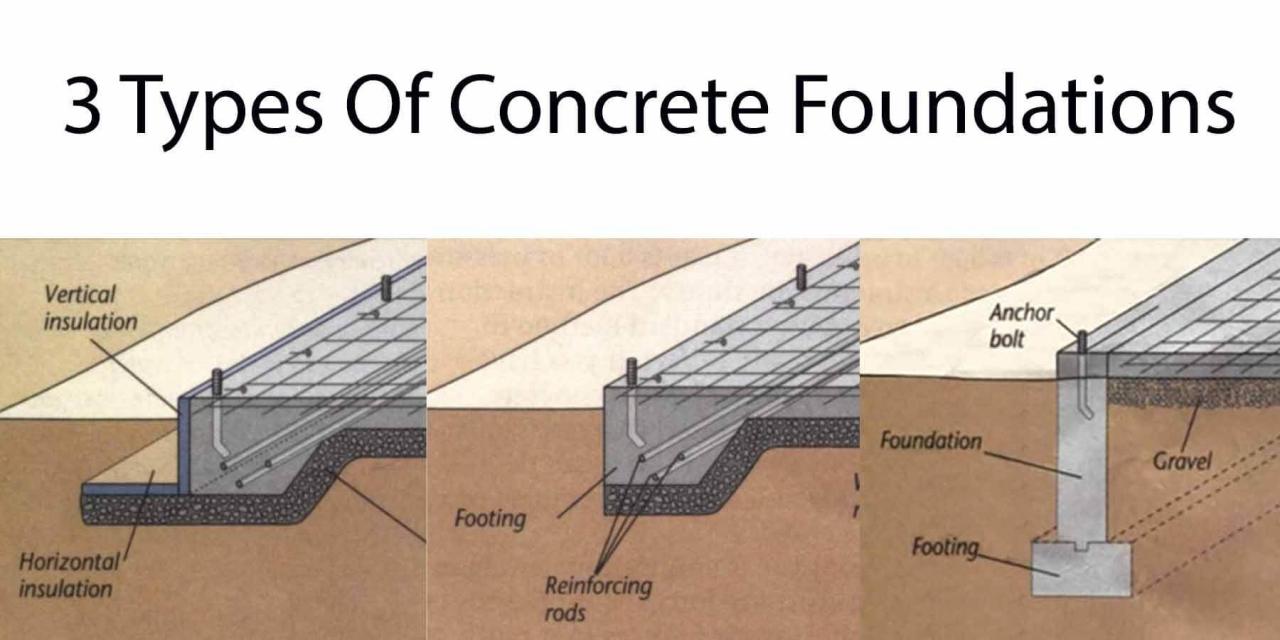
Common signs include cracks in walls, uneven floors, doors and windows that stick, and visible cracks in the foundation itself.
Can I perform a foundation inspection myself?
While some basic checks can be done by homeowners, it is advisable to hire a professional for a thorough and accurate assessment.
What is the average cost of foundation repair?
The cost can vary widely depending on the extent of the damage, but homeowners can expect to pay anywhere from a few hundred to several thousand dollars for repairs.
Is foundation repair covered by homeowners insurance?
Coverage depends on your specific policy, so it’s essential to check with your insurance provider to understand what is included.