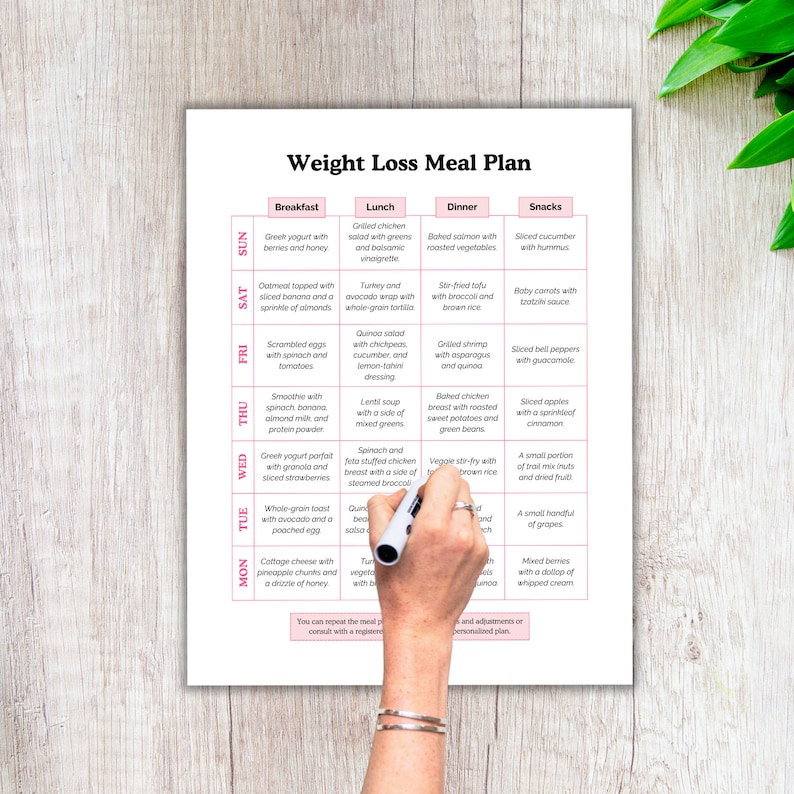
Fitness meal plans for weightloss serve as a crucial element in the journey towards achieving a healthier lifestyle. By focusing on balanced nutrition, these meal plans can effectively guide individuals in their pursuit of weight management while ensuring they enjoy a variety of foods. As we delve deeper into this topic, we will explore the significance of meal planning, the benefits it provides, and how it can transform one’s approach to eating for better health outcomes.
Understanding the necessities of meal planning is essential for anyone seeking to lose weight effectively. It involves not only the selection of appropriate food items but also the integration of proper portions and nutrient-dense ingredients to promote overall well-being. Through a well-structured meal plan, individuals can make informed choices that align with their fitness goals, fostering a sustainable lifestyle change.
Effective communication is a cornerstone of any successful organization. It encompasses a wide range of interactions, including verbal discussions, written correspondence, and non-verbal cues. In today’s fast-paced business environment, the ability to communicate clearly and effectively is more crucial than ever. This article delves into the significance of effective communication in the workplace, its benefits, and strategies for improvement.
Understanding Effective Communication
Effective communication is not merely about exchanging information; it is about ensuring that the intended message is conveyed and understood as intended. This involves being clear, concise, and coherent while also being receptive to feedback. The process includes several elements, such as the sender, the message, the medium, the receiver, and the feedback loop. Each component plays a vital role in shaping how information is shared and interpreted.
Benefits of Effective Communication
There are numerous benefits to fostering effective communication in the workplace. Here are some of the most critical advantages:
- Enhanced Collaboration: Clear communication fosters collaboration among team members. When individuals understand their roles and responsibilities, they can work together more effectively, leading to improved teamwork and productivity.
- Increased Efficiency: Effective communication reduces misunderstandings and errors, which can often lead to delays and wasted resources. By ensuring that everyone is on the same page, organizations can streamline their processes and increase efficiency.
- Stronger Relationships: Open lines of communication build trust and rapport among colleagues. When employees feel heard and valued, they are more likely to establish positive working relationships, which can enhance overall morale.
- Better Conflict Resolution: In any workplace, conflicts are inevitable. However, effective communication allows for issues to be addressed promptly and constructively. By encouraging open dialogue, organizations can resolve conflicts before they escalate.
- Improved Employee Engagement: When employees are encouraged to share their ideas and feedback, they are more likely to feel engaged and invested in their work. This can lead to higher job satisfaction and lower turnover rates.
Barriers to Effective Communication
Despite its importance, effective communication is often hindered by various barriers. Identifying these obstacles is the first step towards overcoming them. Some common barriers include:
- Language Differences: In diverse workplaces, language barriers can impede effective communication. Misinterpretations may arise from differences in language proficiency or cultural nuances.
- Technological Challenges: With the rise of remote work, reliance on technology for communication has increased. However, technical issues or lack of familiarity with communication tools can create obstacles.
- Emotional Barriers: Personal feelings, such as stress or anger, can cloud judgment and impact how messages are delivered or received. It is essential to manage emotions to maintain clear communication.
- Physical Barriers: In some cases, physical distance or an unsuitable environment can hinder communication. For instance, noisy settings or being in separate locations can prevent effective dialogue.
Strategies for Improving Communication
To cultivate a culture of effective communication, organizations must implement strategies that promote clarity and dialogue. Here are several approaches that can be beneficial:
- Encourage Open Dialogue: Create an environment where employees feel safe to express their thoughts and opinions without fear of repercussions. This can be achieved through regular team meetings and one-on-one check-ins.
- Utilize Various Communication Channels: Different situations may call for different communication methods. Utilize a mix of emails, instant messaging, video calls, and face-to-face meetings to reach all employees effectively.
- Provide Training: Invest in communication skills training for employees at all levels. Workshops and seminars can help improve interpersonal skills, active listening, and conflict resolution techniques.
- Foster Active Listening: Encourage employees to practice active listening by focusing entirely on the speaker, offering feedback, and refraining from interrupting. This helps in understanding messages clearly and responding appropriately.
- Clarify Expectations: Clearly Artikel roles, responsibilities, and project goals to avoid misunderstandings. When everyone knows what is expected of them, it minimizes confusion and enhances accountability.
Conclusion
In conclusion, effective communication is essential for the success of any organization. By understanding its importance and actively working to improve communication practices, companies can foster a positive workplace culture that leads to enhanced collaboration, increased efficiency, and better employee engagement. Overcoming barriers to communication and implementing practical strategies can pave the way for a more connected and productive workforce.
As businesses continue to evolve, prioritizing effective communication will remain a critical factor in achieving organizational goals and sustaining long-term success.
General Inquiries
What are the basic components of a fitness meal plan?
A fitness meal plan typically includes a balance of macronutrients such as carbohydrates, proteins, and fats, along with plenty of vitamins and minerals from fruits and vegetables.
How often should I update my fitness meal plan?
It’s advisable to review and adjust your meal plan every few weeks or when you notice changes in your weight, activity level, or dietary preferences.
Can I enjoy my favorite foods while following a fitness meal plan?

Yes, moderation is key. Incorporating your favorite foods occasionally can help maintain motivation and prevent feelings of deprivation.
Should I consult a professional before starting a meal plan?

Consulting a nutritionist or dietitian can provide personalized guidance and ensure that your meal plan meets your specific health needs.
Can meal plans help with maintaining weight loss?
Absolutely. Following a structured meal plan can help reinforce healthy eating habits and support maintenance of weight loss over the long term.