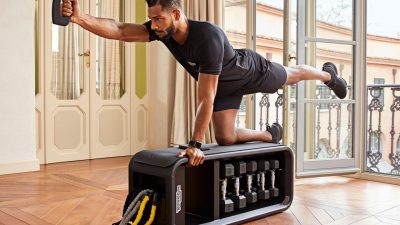
Buy gym equipment for home sets the stage for an enthralling narrative, offering readers a glimpse into a story that is rich in detail and brimming with originality from the outset. Investing in home gym equipment not only promotes a healthier lifestyle but also provides the convenience of working out in the comfort of your own space. With various options available, individuals can tailor their choices to fit their personal fitness goals, preferences, and available space, making home workouts more accessible and enjoyable.
In today’s rapidly evolving world, the importance of effective communication cannot be overstated. Whether in professional settings or personal interactions, the ability to convey thoughts and ideas clearly and persuasively is a skill that is highly valued. This article will explore various aspects of communication, including its definition, types, importance, challenges, and strategies to enhance it.Communication, at its core, is the process of sharing information, thoughts, or feelings between individuals or groups.
It encompasses a wide range of forms, including verbal, non-verbal, written, and visual communication. Each type serves its own purpose and can be employed in different situations to achieve the desired outcome. Verbal communication is perhaps the most recognizable form of communication. It involves spoken words and can take place in person, over the phone, or through video conferencing. The effectiveness of verbal communication is influenced by tone, volume, and clarity of speech.
For instance, a confident tone can enhance the speaker’s authority and credibility, making the message more persuasive.Non-verbal communication, on the other hand, includes body language, facial expressions, gestures, and eye contact. This form of communication often conveys more than spoken words, as it can express emotions and attitudes that may not be articulated verbally. Understanding and interpreting non-verbal cues is crucial in fostering effective interpersonal relationships, as it helps to gauge the authenticity of the spoken message.Written communication encompasses any message conveyed through written words, such as emails, reports, and letters.
It is often employed in professional environments, where clarity and precision are paramount. The choice of words, grammatical accuracy, and organizational structure play significant roles in ensuring the intended message is conveyed without ambiguity. Visual communication involves the use of visual elements, such as images, graphs, charts, and videos, to convey information. This type of communication is particularly effective in presentations and educational contexts, as it can enhance understanding and retention of information by appealing to visual learners.The importance of communication extends beyond mere information exchange.

It plays a vital role in building and maintaining relationships, fostering collaboration, and driving organizational success. In workplaces, effective communication can enhance teamwork, boost morale, and increase productivity. When team members communicate openly, it fosters trust and encourages the sharing of ideas, leading to innovative solutions and improved outcomes.Furthermore, effective communication is essential in conflict resolution. Misunderstandings and misinterpretations can lead to disputes that may escalate if not addressed promptly.
By employing active listening and empathetic communication, individuals can navigate conflicts more effectively, ensuring that all parties feel heard and understood.Despite its significance, communication is often fraught with challenges. One common obstacle is the presence of language barriers, which can hinder effective exchange of ideas, especially in multicultural environments. Individuals may struggle to express themselves accurately or understand others, leading to frustration and miscommunication.Additionally, differing communication styles can pose challenges.
Some individuals may prefer direct communication, while others may lean towards a more indirect approach. Recognizing and adapting to these varying styles can enhance communication effectiveness and foster more harmonious interactions.Another challenge in communication arises from the influence of emotions. Emotions can cloud judgment and impact the clarity of the message. For instance, when individuals are angry or stressed, they may communicate in a manner that is confrontational or defensive, rather than constructive.
Developing emotional intelligence can empower individuals to manage their emotions and communicate more effectively.To overcome these challenges and enhance communication, individuals can adopt several strategies. Firstly, active listening is a fundamental skill that involves fully concentrating on the speaker, understanding their message, and providing feedback. This skill can foster a more open and respectful dialogue, ensuring that all parties feel valued and understood.Secondly, clarity is key in all forms of communication.
Individuals should aim to articulate their thoughts clearly and concisely, avoiding jargon and complex language that may confuse the listener. Utilizing simple language and breaking down information into digestible parts can significantly improve understanding.Furthermore, seeking feedback is an invaluable strategy to gauge the effectiveness of communication. By inviting others to provide their perspectives or thoughts on the message conveyed, individuals can identify areas for improvement and learn how to adjust their communication style accordingly.Additionally, practicing empathy can enhance communication outcomes.
By putting oneself in another’s shoes, individuals can better understand their emotions and perspectives, leading to more compassionate and constructive interactions. This approach can be particularly beneficial in conflict situations, where understanding the underlying motivations can pave the way for resolution.Moreover, leveraging technology can also facilitate communication in today’s digital age. Video conferencing tools, instant messaging platforms, and collaborative software can enhance connectivity and enable real-time communication, particularly in remote work scenarios.
Embracing these tools can ensure that communication remains effective, regardless of geographical barriers.Finally, continuous improvement is essential in mastering the art of communication. Engaging in public speaking, joining communication workshops, or participating in group discussions can provide individuals with opportunities to practice and refine their skills. In addition, seeking mentorship from effective communicators can offer valuable insights and strategies that can be applied in various contexts.In conclusion, communication is an essential skill that permeates all aspects of life.
Understanding its various forms, recognizing the challenges it presents, and adopting effective strategies can significantly enhance one’s ability to connect with others. By prioritizing clear and empathetic communication, individuals and organizations can foster stronger relationships, improve collaboration, and ultimately achieve greater success. As we continue to navigate an increasingly interconnected world, the importance of honing our communication skills will only continue to grow.

FAQ Summary
What basic equipment do I need for a home gym?
A few essential items include dumbbells, resistance bands, a yoga mat, and a stability ball. These items allow for a versatile range of exercises.
How much space do I need for a home gym?
The space required depends on the equipment you choose, but a small area where you can comfortably move and exercise is often sufficient.
Can I get a full-body workout with minimal equipment?
Yes, you can achieve a full-body workout using bodyweight exercises combined with basic equipment like dumbbells and resistance bands.
How do I maintain my home gym equipment?
Regularly clean your equipment, check for wear and tear, and follow manufacturer guidelines for maintenance to ensure longevity.
Is it cost-effective to buy gym equipment for home?
While the initial investment may seem high, it can be cost-effective in the long run, as it saves money on gym memberships and allows for flexible workout times.